
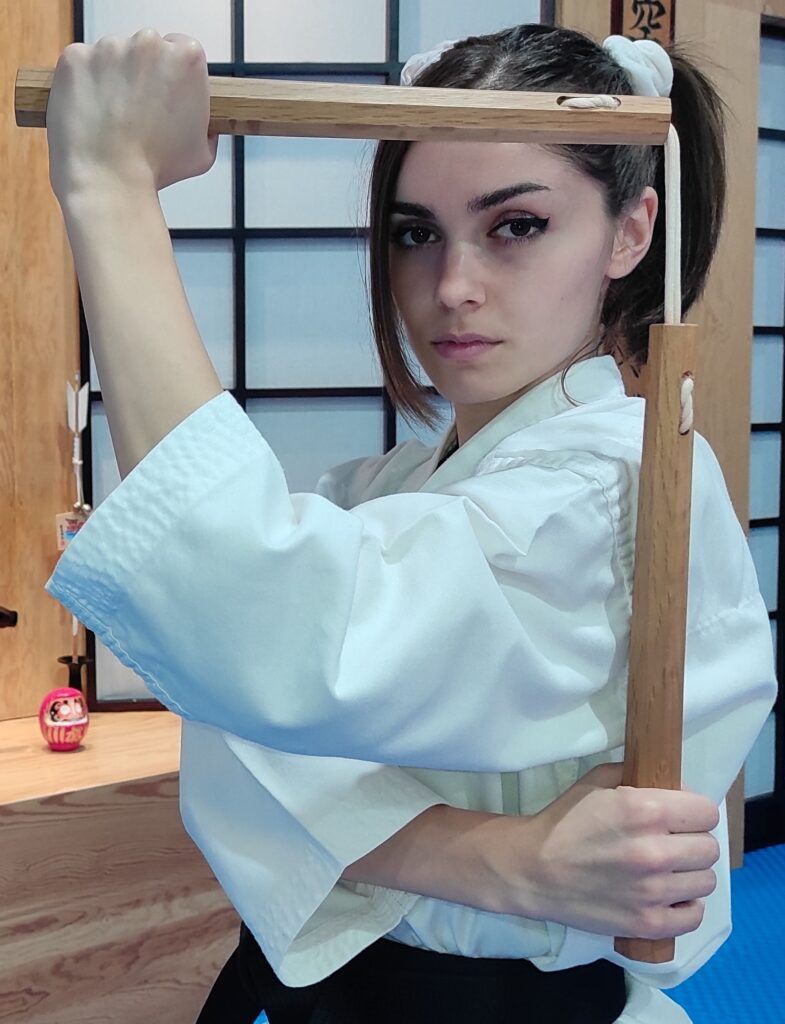
kobudo
Ancient Martial Art
Kobudo (ancient martial art), is a collective term for Japanese traditional techniques for the use of armor, blades, firearms, and techniques related to combat and horsemanship.
The kanji 古流武術 (old school martial arts) and 古武術 (old martial arts) are other ways of writing it.
The general term ko-ryū 古流 (old school), is also used to describe these ancient arts.
Kobudo can be translated as 古 (old) 武 (warrior) 道 (way) “old martial art”.
The term appeared in the first half of the seventeenth century. Kobudo marks the beginning of the Tokugawa period (1603–1868) also called the Edo period, when overall power was consolidated by the ruling Tokugawa clan. The term Kobudo (ancient martial arts) contrasts with Gendaibudo (modern martial arts) or shinbudo (new martial arts) which refer to schools that developed from the Meiji era.
While modern martial arts are designed to develop human skills and physical and mental training from a physical point of view, focusing on sports-related fights and constructing technical systems (e.g. judo and kendo), the old martial arts are basically not intended for result of a victorious fight.
Dangerous Techniques
Dangerous techniques excluded from modern martial arts include various hidden weapons, medical methods, etc. Ancient martial arts are associated with Zen and Buddhism.
It may also include irrational movements whose original meaning is lost even to those who are old school masters, or moves added for aesthetic reasons during the peaceful Edo period.
Kobudo system
The kobudo system is considered in the following order of priority:
1) Ethics,
2) Discipline.
3) Aesthetic form
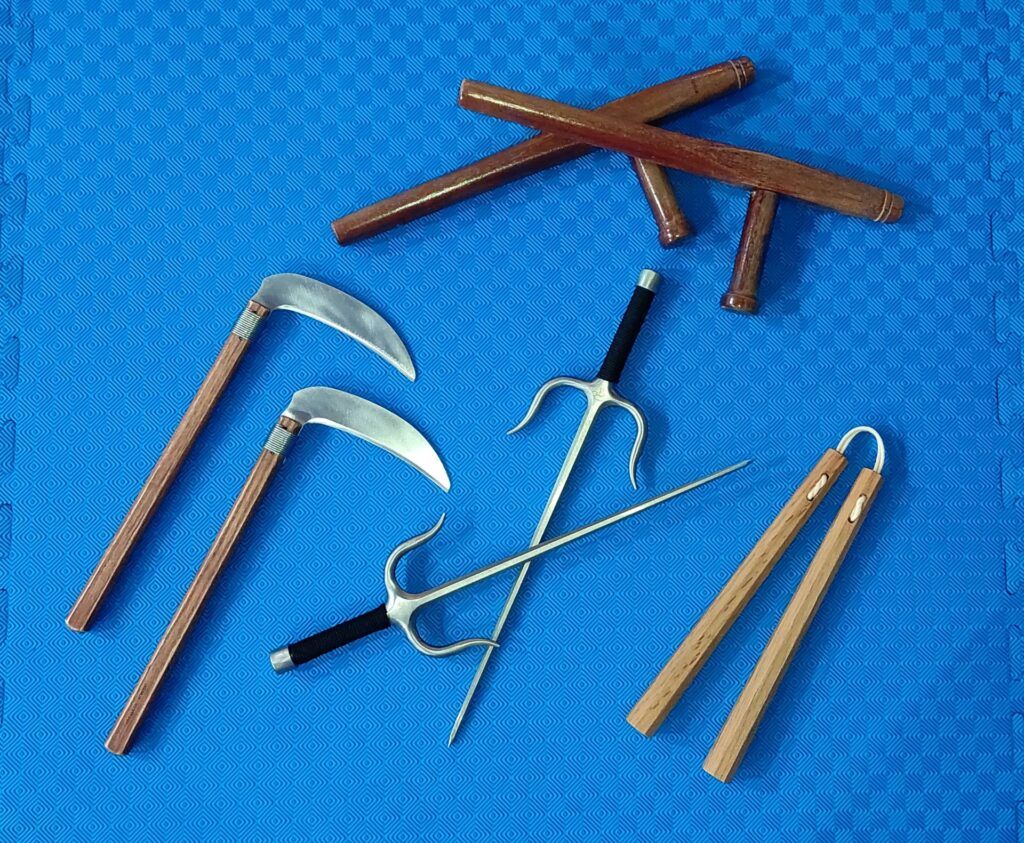
It is a popular story and common belief that Okinawan farming tools evolved into weapons due to restrictions placed on farmers by the Satsuma samurai clan when the island became part of Japan, which prohibited them from carrying weapons.
As a result, it is said, they were defenseless and developed a fighting system around their traditional farming tools.
However, modern martial arts scholars have been unable to find historical support for this story, and evidence uncovered by various martial arts historians indicates that the Pechin warrior caste in Okinawa were those who practiced and studied various martial arts.
It is true that Okinawans, under the rule of foreign powers, were prohibited from carrying weapons or exercising with them in public. But the weapon-based battles they practiced in secret (and the types of weapons they practiced with) had strong Chinese roots, and examples of similar weapons have been found in China, Thailand, and Indonesia prior to the Okinawan adaptations.
Okinawan kobudo (Ryukyu Kobudo) was at its peak about 100 years ago, and of all the original Okinawan kobudo kata practiced at this time, comparatively few survive.
The main weapons in the art of Kobudo are Bo, Sai, Nunchaku, Kama, Tonfa, Eku, etc.